
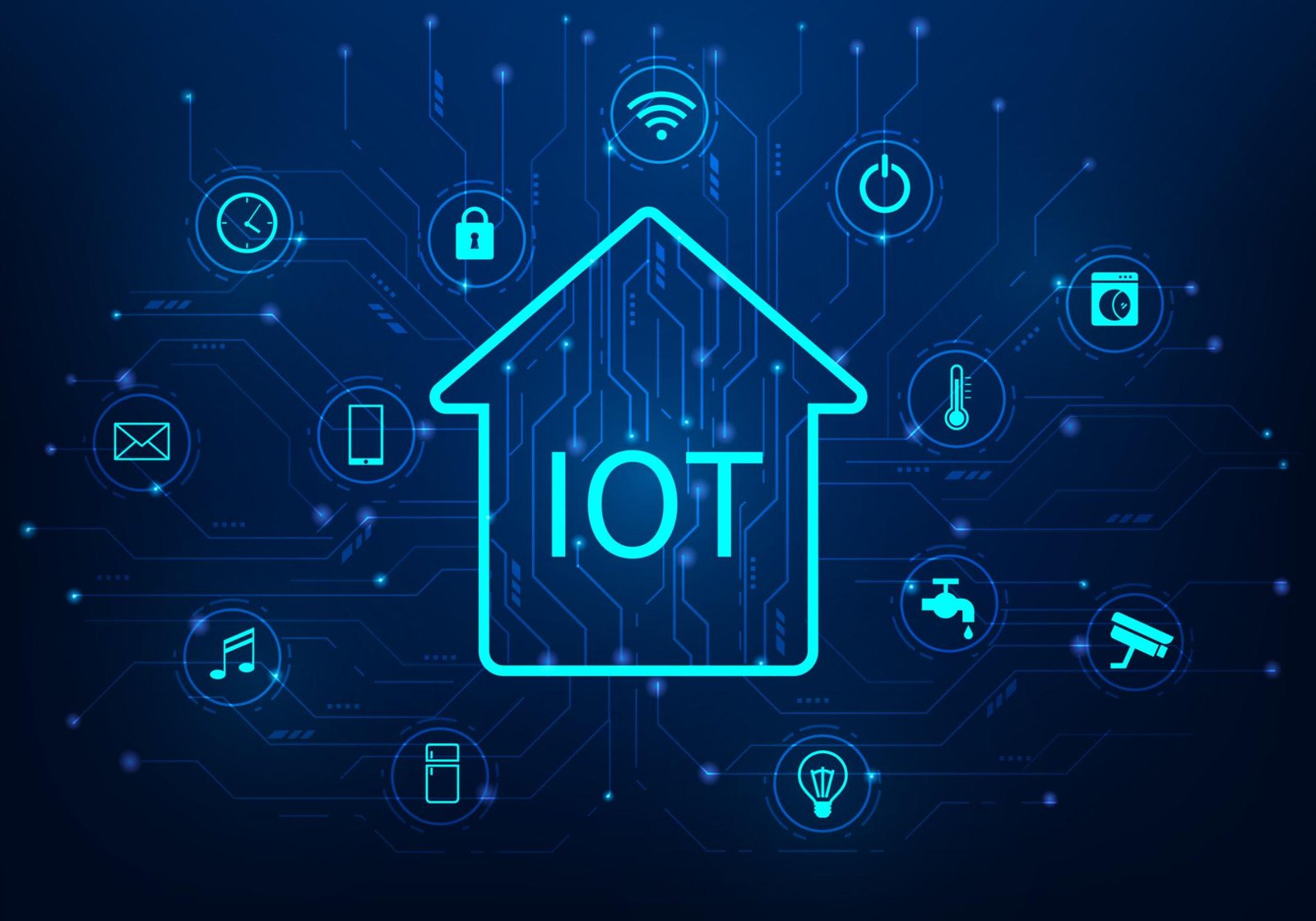
Imagine controlling your home lights through a smartphone, receiving alerts from a security camera while travelling, or monitoring agricultural conditions using connected sensors.
These capabilities are possible through the Internet of Things, commonly known as IoT.
IoT connects physical objects to digital networks, allowing them to collect, exchange, and sometimes act on data.
As connected devices become more common, IoT is playing an important role in homes, industries, healthcare, agriculture, and smart cities.
What Is the Internet of Things?
The Internet of Things is a network of physical devices equipped with sensors, software, connectivity, and processing capabilities.
These devices collect information from their surroundings and transmit it to applications or other systems.
Examples include:
-
Smart televisions.
-
Security cameras.
-
Fitness trackers.
-
Smart thermostats.
-
Industrial sensors.
-
Agricultural monitoring systems.
-
Connected vehicles.
How Does IoT Work?
An IoT system generally works through four stages.
1. Data Collection
Sensors collect information such as temperature, movement, humidity, or pressure.
2. Connectivity
Devices send information using Wi-Fi, Bluetooth, cellular networks, or other communication technologies.
3. Data Processing
Data is processed locally or through cloud-based platforms.
4. Action and Monitoring
Users receive alerts, view dashboards, or trigger automated actions based on the information.
Top IoT Applications in 2026
1. Smart Homes
IoT makes it possible to control lighting, security cameras, smart locks, thermostats, and appliances.
2. Healthcare
Wearable devices and connected medical equipment can help collect health-related measurements for monitoring and professional review.
3. Smart Agriculture
Connected sensors can monitor soil moisture, temperature, humidity, and irrigation requirements.
4. Industrial IoT
Factories use connected sensors to monitor machinery, track production, and support predictive maintenance.
5. Smart Cities
IoT devices can support traffic monitoring, waste management, energy management, and environmental monitoring.
6. Connected Transportation
Vehicle sensors and fleet management systems can monitor location, performance, and maintenance requirements.
Benefits of IoT Technology
-
Real-time monitoring.
-
Better operational visibility.
-
Automation of repetitive activities.
-
Improved resource management.
-
Data-driven decisions.
-
Remote device management.
-
Potential reduction in operational costs.
IoT Security Challenges
Connected devices can create additional entry points for cybercriminals.
Common risks include weak passwords, outdated firmware, insecure network connections, exposed APIs, and poor access controls.
To improve IoT security:
-
Change default device passwords.
-
Install firmware updates.
-
Use secure Wi-Fi networks.
-
Disable unnecessary features.
-
Review device permissions.
-
Separate IoT devices from sensitive networks where possible.
-
Purchase products from manufacturers with clear security update policies.
The Future of IoT
IoT is increasingly combining with AI, cloud computing, edge computing, and advanced wireless networks.
For example, a smart factory may use sensors to collect machine data, edge systems to detect abnormal conditions, and AI models to recommend maintenance.
This combination can make connected systems more intelligent and responsive.
Frequently Asked Questions
Q1. What is IoT in simple words?
IoT is a system of connected physical devices that collect and exchange information through digital networks.
Q2. What are examples of IoT devices?
Smart cameras, fitness bands, connected appliances, smart thermostats, and industrial sensors are common examples.
Q3. Is IoT safe?
IoT can be secure when devices are updated, protected with strong authentication, and configured properly.
Q4. What is Industrial IoT?
Industrial IoT uses connected devices and sensors in manufacturing, logistics, energy, and other industrial environments.
Conclusion
The Internet of Things is connecting the physical and digital worlds. From smart homes to intelligent factories, connected devices are improving monitoring and automation. As AI and connectivity develop further, IoT will remain an important part of the digital future.